
-
Manufacturing
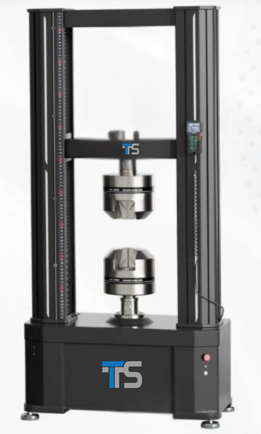
Electromechanical UTMs
Single & Dual Column Systems
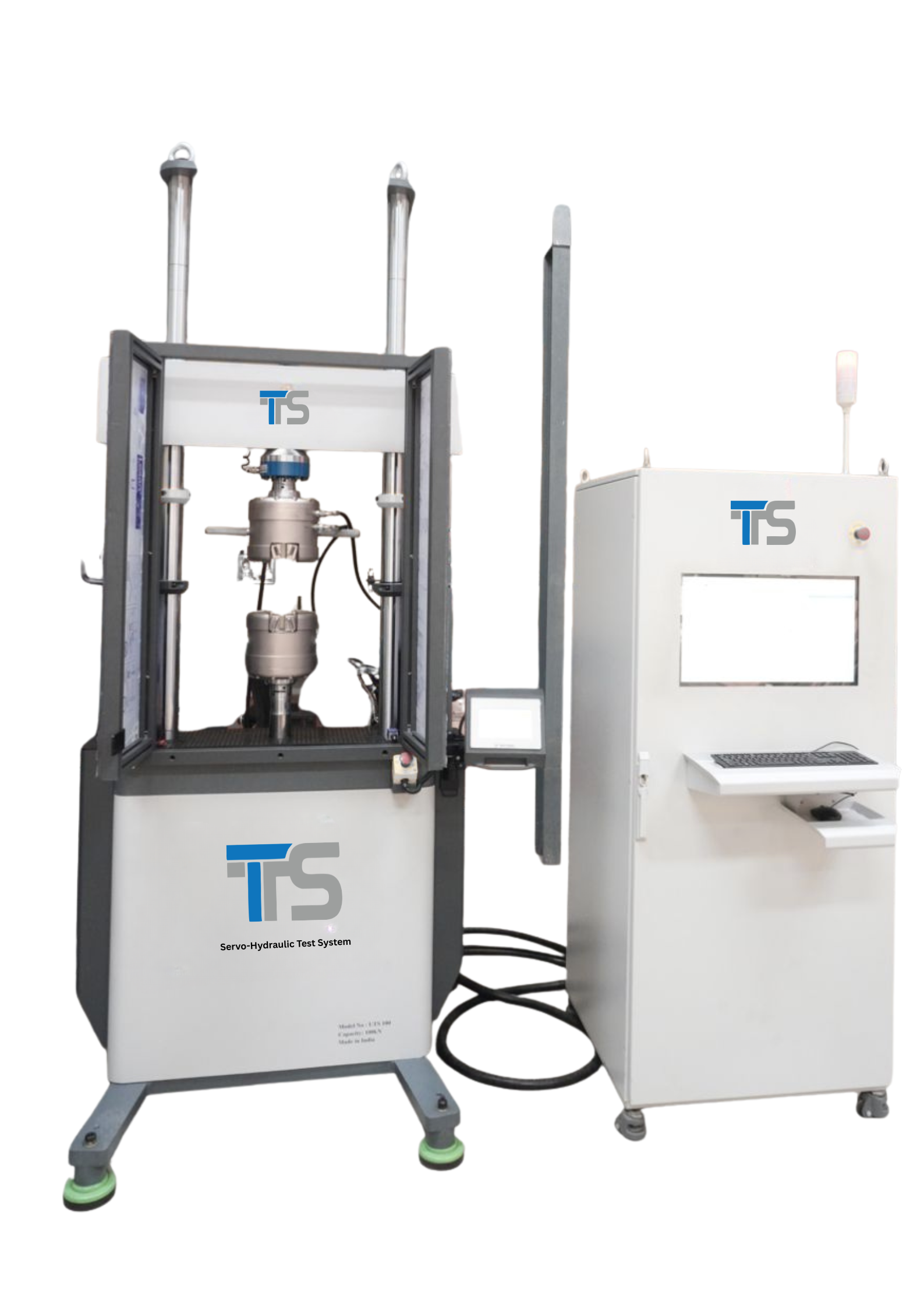
Dynamic & Fatigue Systems
High-Force Testing
Torsion Testing
Static & Dynamic Torsion

Micro UTMs
Small-Sample Testing

MTESTQuattro
Windows-based Test Controller

eP2
Standalone Digital Touchpad
Gauge Buster 3
Advanced Materials Indicator
Pi
Peak Load & Stress Indicator
DFG
Concrete Testing Indicator
GaugeSafe
Live Data Exchange Software

Tensile
Grips and Fixtures

Bend
Grips and Fixtures
Compression
Grips and Fixtures
Peel
Grips and Fixtures
Torsion
Grips and Fixtures
Puncture Fixtures
Grips and Fixtures
Fixtures by Test Standard
Grips and Fixtures
Other Fixturing
Grips and Fixtures
Load Cells
Testing Accessories
Test Chambers & Baths
Testing Accessories
Extensometers & Transducers
Testing Accessories
Test Sample Prep Tools
Testing Accessories
-
Products

Electromechanical
Universal Testing Machines
Servohydraulic
Dynamic Testing Machines

Accessories
Chambers, Grips and Fixtures

Hydraulic Testing Machines
Static Testing Machines
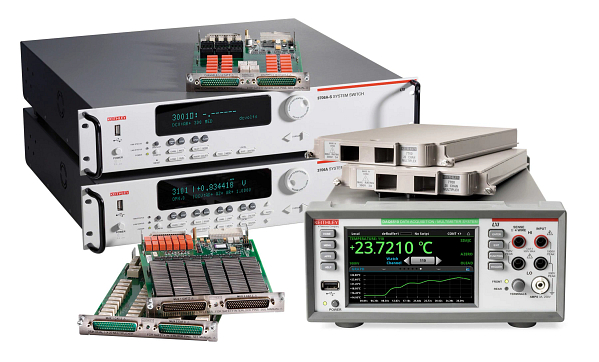
Data Acquisition (DAQ)
Signal Processing

Industrial Cameras
Vision Systems
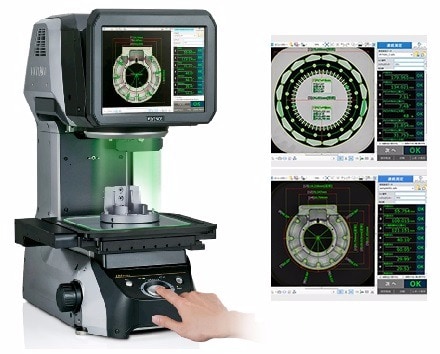
Optical Measurement
Non-contact Tech
.jpg)
Sensor
Precision Sensors
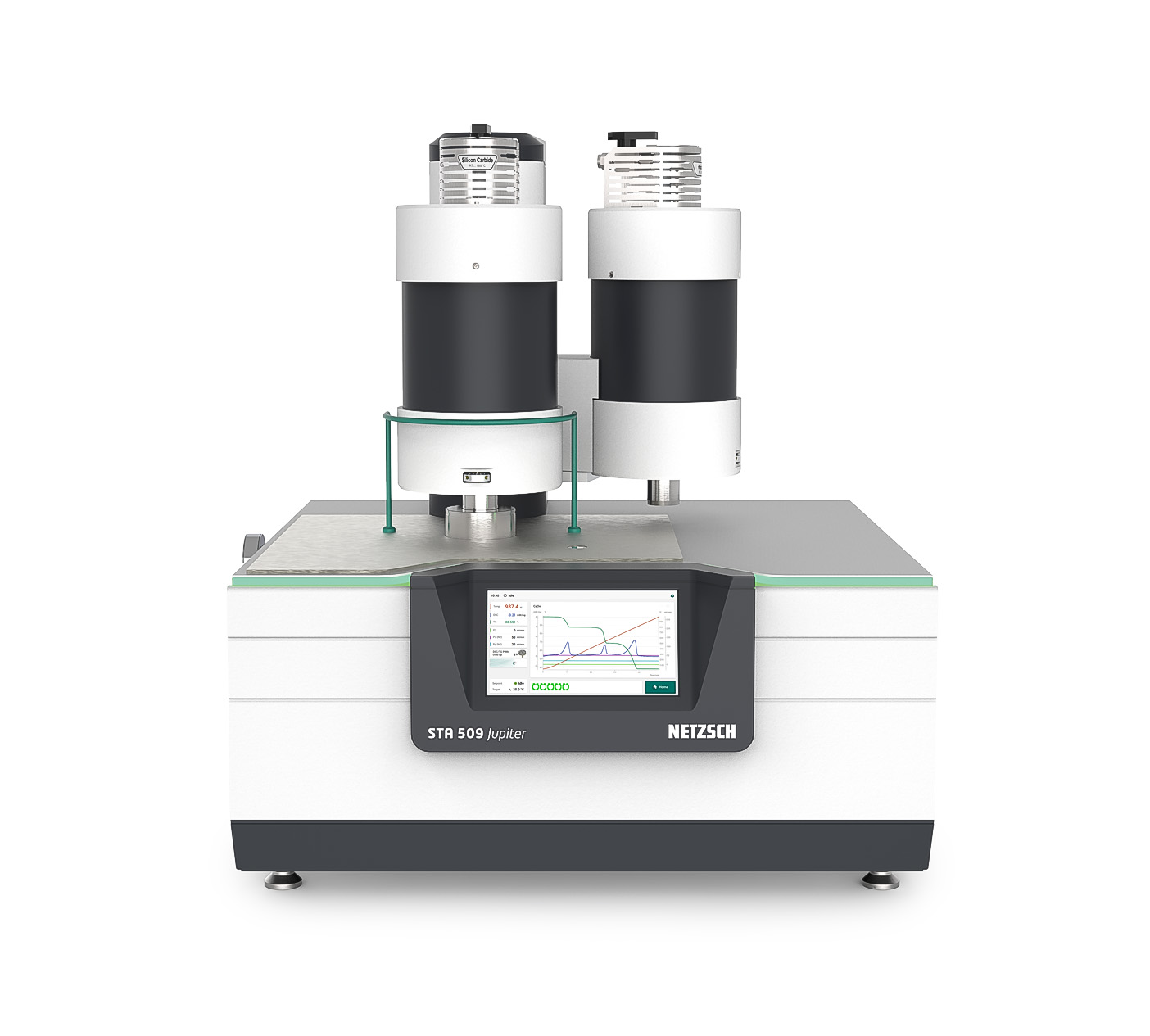





IMPACT TESTING
Impact Testing
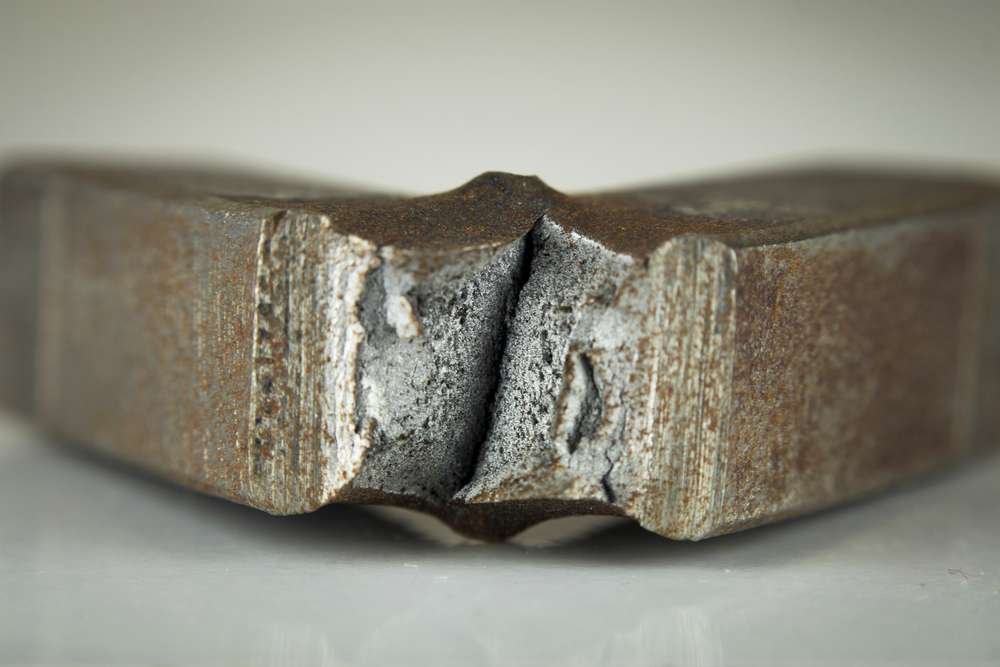
Impact testing measures a material's toughness by calculating the energy absorbed during fracture. This indicates its behavior under sudden loads and helps classify it as brittle or ductile.
Purpose
Types of Impact Testing
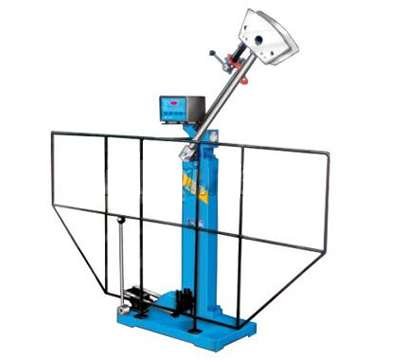
Specimens & Analysis
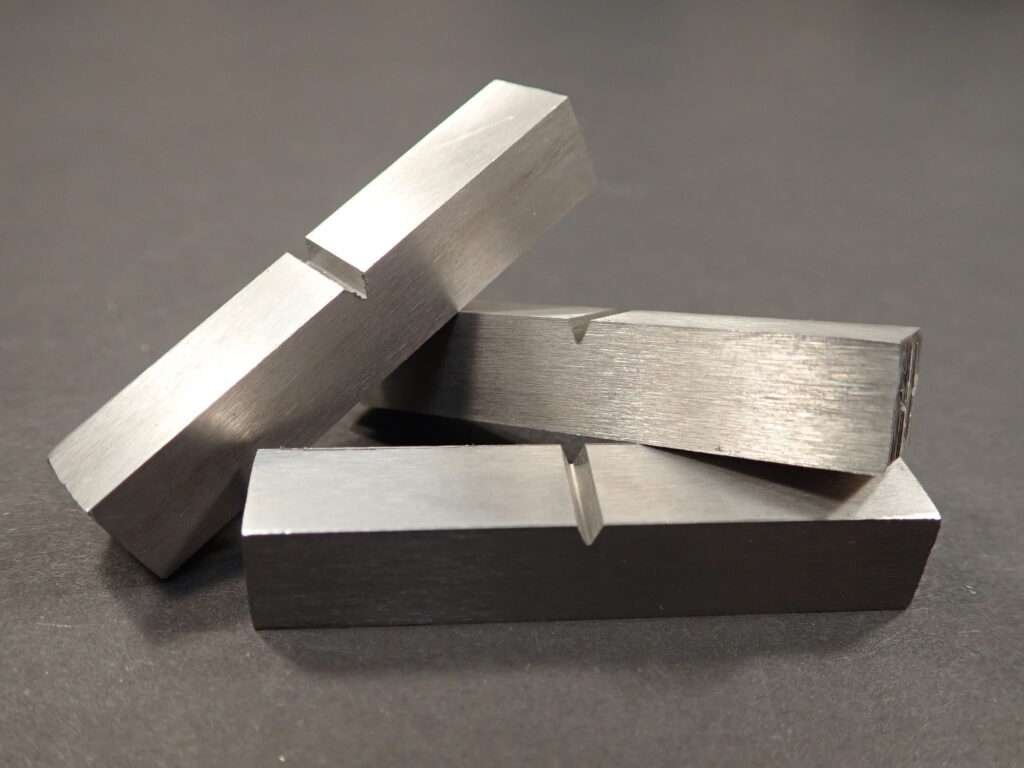
Key Considerations
Factors influencing impact performance include:
Influencing Factors
Mechanism
When impacted, a material absorbs energy up to its yield point, with further energy causing work hardening until it fractures. Total impact energy reflects the work required to break the material.
Methodologies
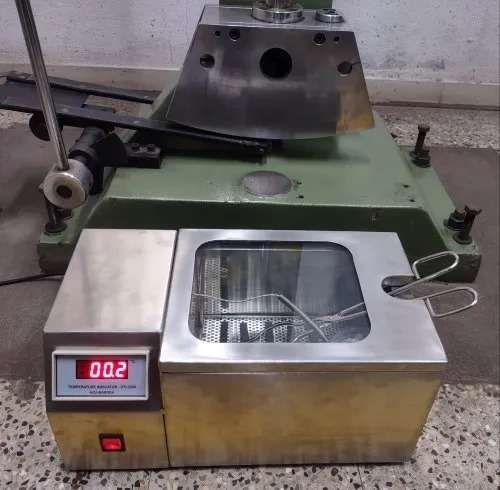
Pendulum Impact Testing
Uses a rotating hammer to strike the sample at the lowest point of its arc. Measures force in the horizontal plane.
Drop Weight Tester
A mass is dropped onto the sample, with impact measured using a load cell. Force is directed vertically and can also measure deformation, providing more insights into material properties.
Standards
Key standards for measuring impact resistance include:
Testing Flexibility

TTS Industrial Solutions Pvt Ltd, formerly known as Tweak Technik Solutions, was established in 2021. By 2022, we broadened our portfolio to include comprehensive lab services, and in 2024, we rebranded as TTS Industrial Solutions Pvt Ltd, an ISO 9001:2015 Certified Company.
CIN: U71200TS2024PTC184659
Get In Touch
Subscribe Now
Don't miss our future updates! Get Subscribed Today!