
-
Manufacturing
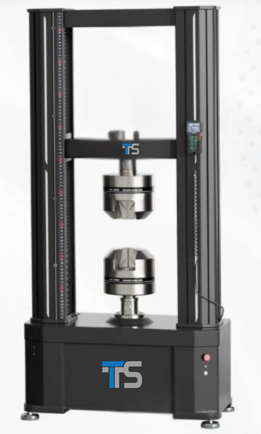
Electromechanical UTMs
Single & Dual Column Systems
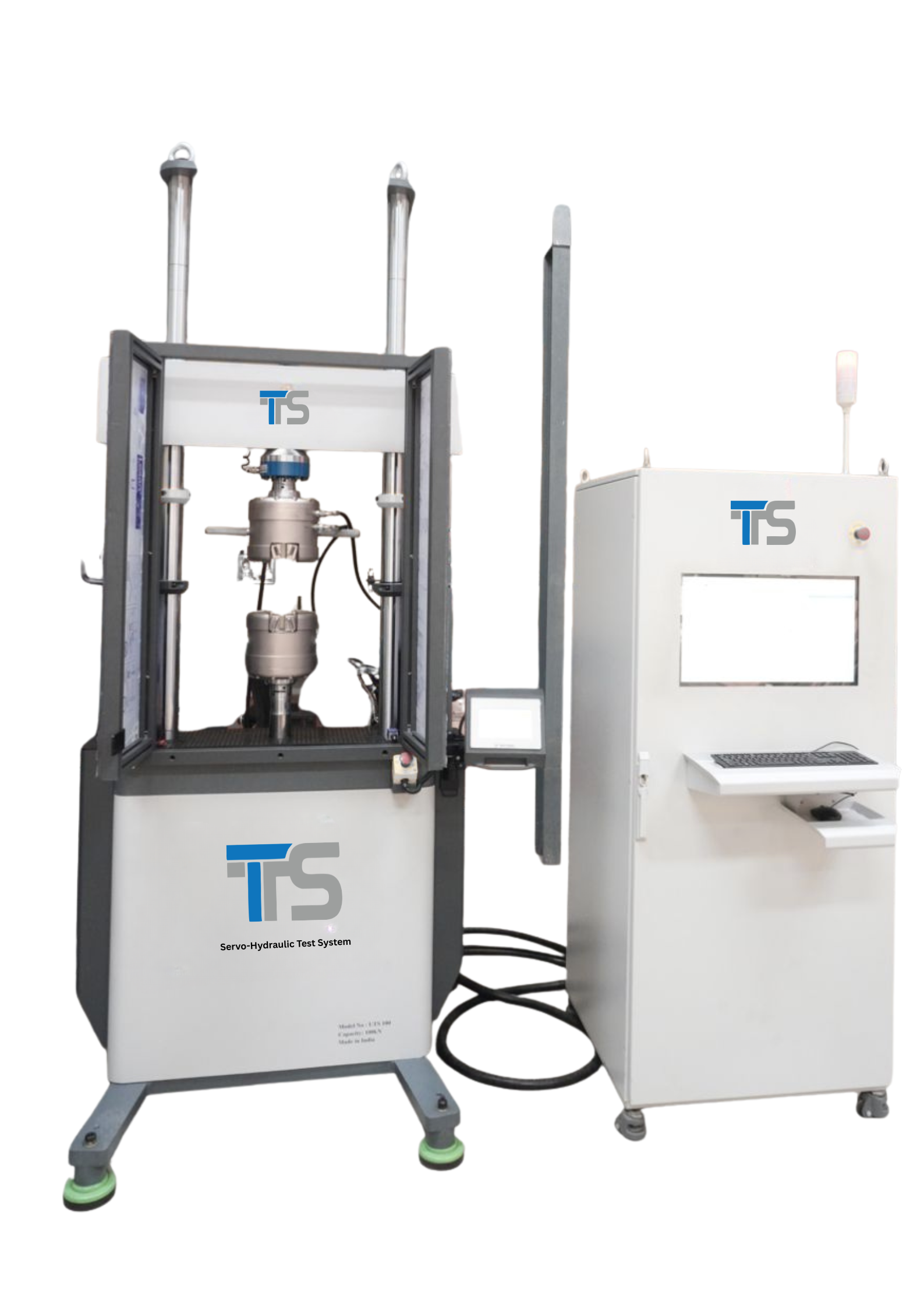
Dynamic & Fatigue Systems
High-Force Testing
Torsion Testing
Static & Dynamic Torsion

Micro UTMs
Small-Sample Testing

MTESTQuattro
Windows-based Test Controller

eP2
Standalone Digital Touchpad
Gauge Buster 3
Advanced Materials Indicator
Pi
Peak Load & Stress Indicator
DFG
Concrete Testing Indicator
GaugeSafe
Live Data Exchange Software

Tensile
Grips and Fixtures

Bend
Grips and Fixtures
Compression
Grips and Fixtures
Peel
Grips and Fixtures
Torsion
Grips and Fixtures
Puncture Fixtures
Grips and Fixtures
Fixtures by Test Standard
Grips and Fixtures
Other Fixturing
Grips and Fixtures
Load Cells
Testing Accessories
Test Chambers & Baths
Testing Accessories
Extensometers & Transducers
Testing Accessories
Test Sample Prep Tools
Testing Accessories
-
Products

Electromechanical
Universal Testing Machines
Servohydraulic
Dynamic Testing Machines

Accessories
Chambers, Grips and Fixtures

Hydraulic Testing Machines
Static Testing Machines
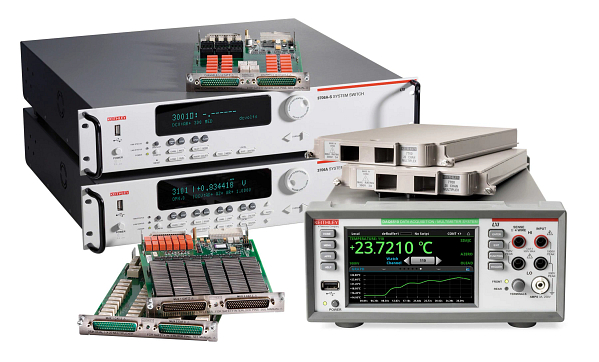
Data Acquisition (DAQ)
Signal Processing

Industrial Cameras
Vision Systems
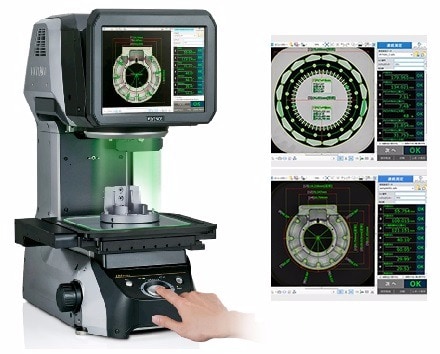
Optical Measurement
Non-contact Tech
.jpg)
Sensor
Precision Sensors
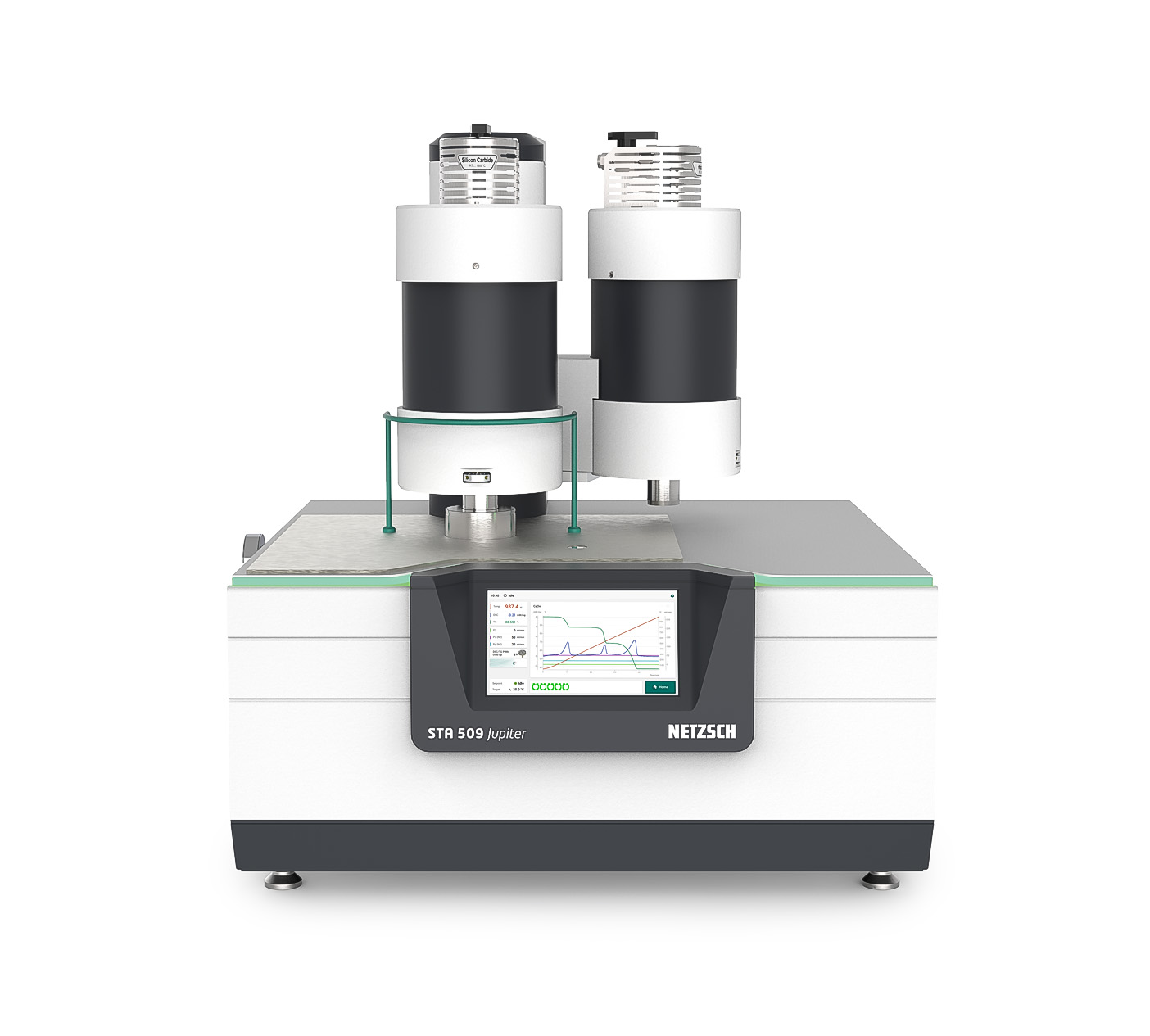





High-Cycle Fatigue Tests
Endurance. Reliability. Performance.
What Is HCF (High Cycle Fatigue)?
HCF is often especially useful for materials under lower applied forces and subjected to elastic kinds of deformation. In general, HCF tests are force-controlled and typically run to at least one million cycles.
These tests show the influence of cyclic forces on a product or material over time when different loads, speeds, and environmental conditions are applied. Our methods for fatigue testing simulate specific scenarios as well as failure situations in real life.
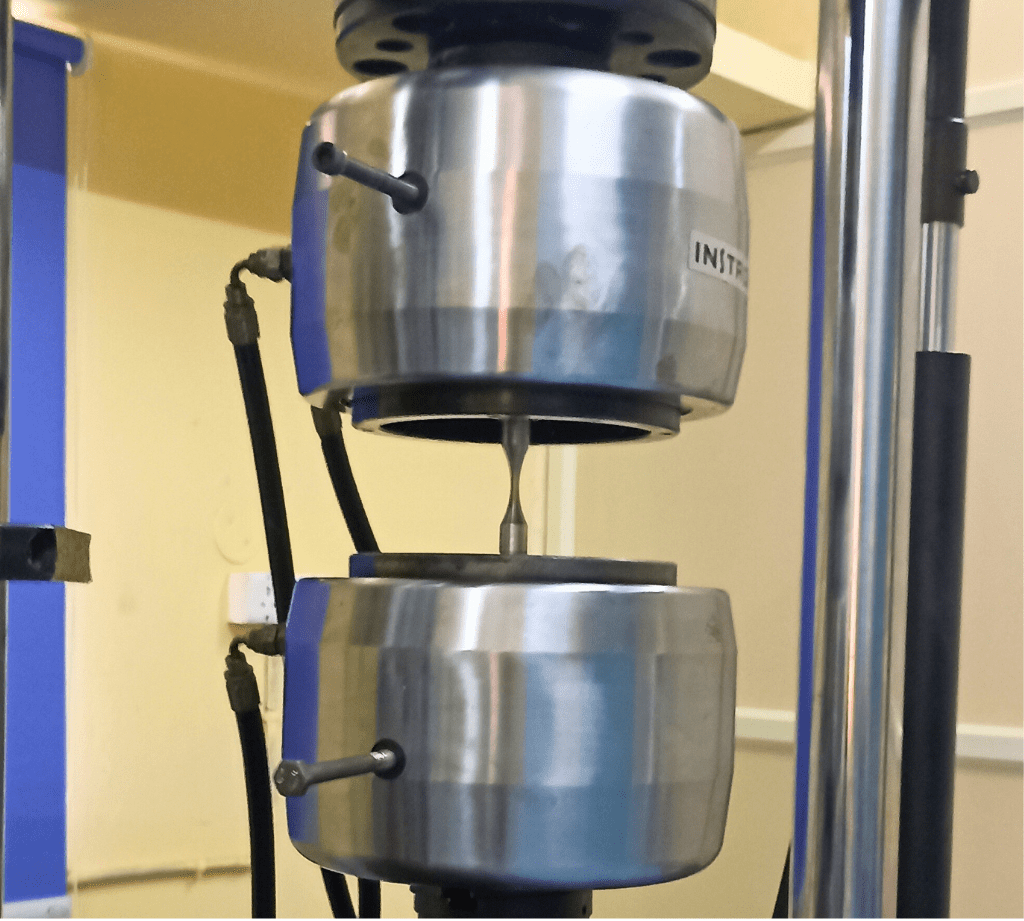
Testing Procedure For HCF
High cycle fatigue tests are typically conducted in specimens either in load/stress control with a view to observing S-N (Stress-Life) curves.
S-N curves can be obtained through carrying out the tests on specimens under constant load/stress, noting down the number of cycles to failure. Data is further compiled and a best fit trend is applied.
The frequency for a specimen in a test of HCF varies between 20 Hz and 100 Hz depending upon the types of material and test conditions.
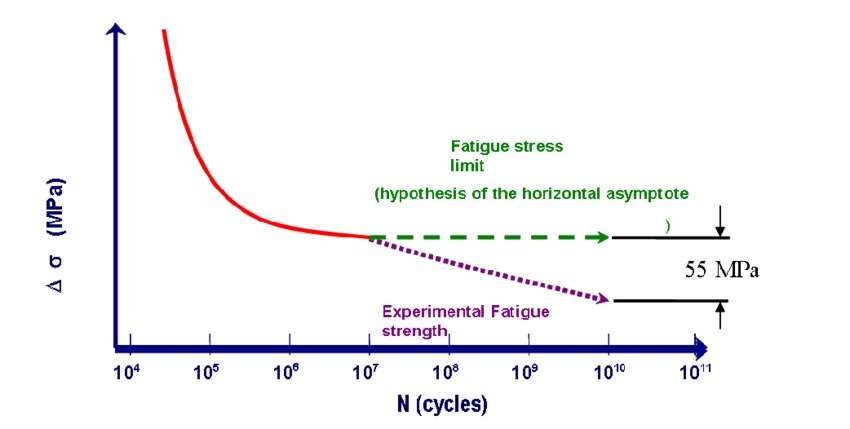
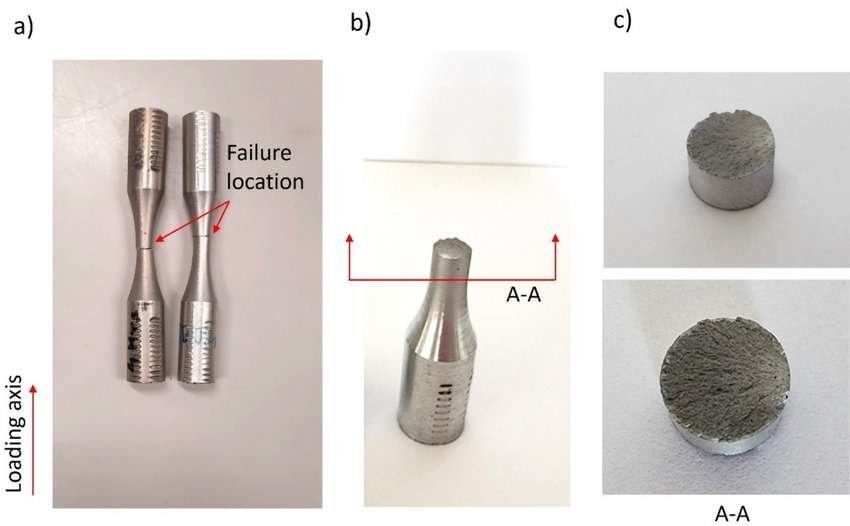
Fracture Analysis & Specimens
Visualizing the failure location and structural integrity after testing.
Why Test At HCF?
High-cycle fatigue testing is performed for several very significant reasons:
- Compliance: Ensure compliance with specifications for designs and regulatory standards in material assessment.
- Safety: Assess potential points of failure under cyclic loading. Engineers can then design more robust and reliable structures that have significantly lower probabilities of catastrophic failures.
- Material Selection: Data from these tests is useful in selecting appropriate materials for specific applications.
- R&D: Explore the fatigue behavior of new materials and elaborate improvements in existing materials for scientists and engineers.

TTS Industrial Solutions Pvt Ltd, formerly known as Tweak Technik Solutions, was established in 2021. By 2022, we broadened our portfolio to include comprehensive lab services, and in 2024, we rebranded as TTS Industrial Solutions Pvt Ltd, an ISO 9001:2015 Certified Company.
CIN: U71200TS2024PTC184659
Get In Touch
Subscribe Now
Don't miss our future updates! Get Subscribed Today!