
-
Manufacturing
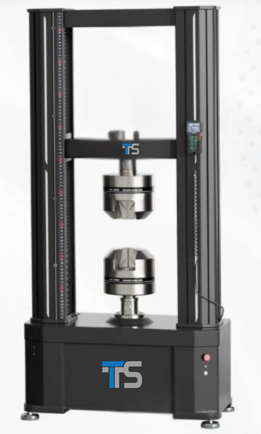
Electromechanical UTMs
Single & Dual Column Systems
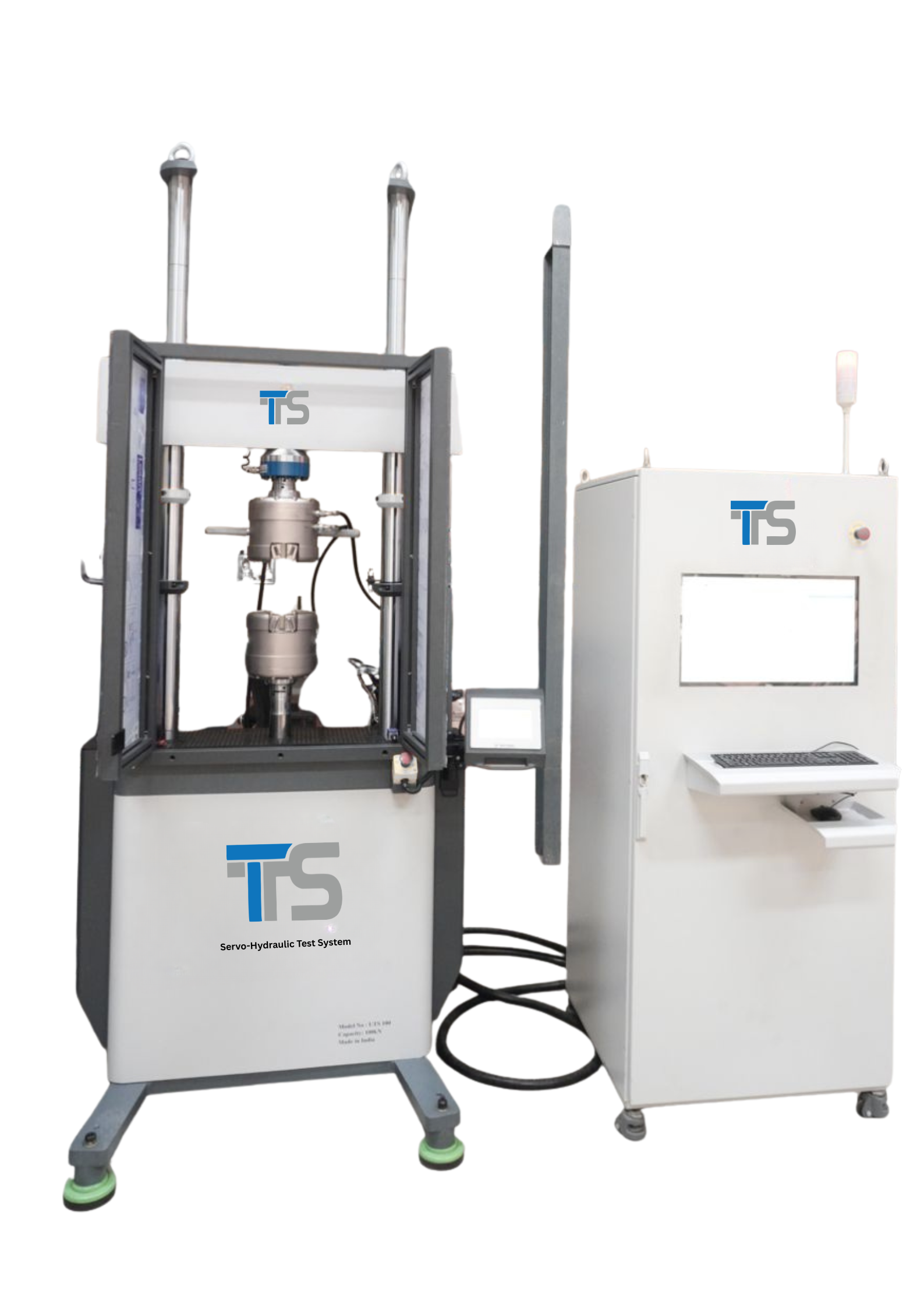
Dynamic & Fatigue Systems
High-Force Testing
Torsion Testing
Static & Dynamic Torsion

Micro UTMs
Small-Sample Testing

Metalligence TM
Windows-based Test Controller

DOLI CONTROLLER GmbH
Standalone Digital Touchpad

Tensile
Grips and Fixtures

Bend
Grips and Fixtures
Compression
Grips and Fixtures
Peel
Grips and Fixtures
Torsion
Grips and Fixtures
Puncture Fixtures
Grips and Fixtures
Fixtures by Test Standard
Grips and Fixtures
Other Fixturing
Grips and Fixtures
Load Cells
Testing Accessories
Test Chambers & Baths
Testing Accessories
Extensometers & Transducers
Testing Accessories
Test Sample Prep Tools
Testing Accessories
-
Products

Electromechanical
Universal Testing Machines
Servohydraulic
Dynamic Testing Machines

Accessories
Chambers, Grips and Fixtures

Hydraulic Testing Machines
Static Testing Machines
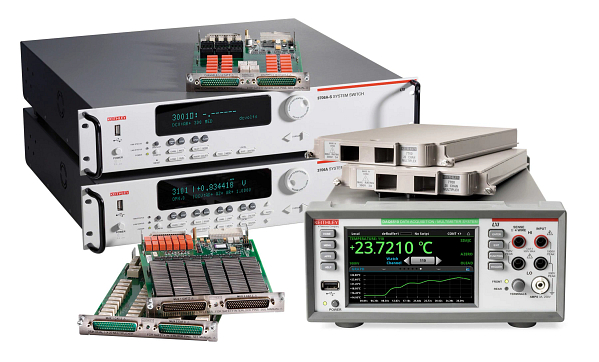
Data Acquisition (DAQ)
Signal Processing

Industrial Cameras
Vision Systems
Optical Measurement
Non-contact Tech
.jpg)
Sensor
Precision Sensors





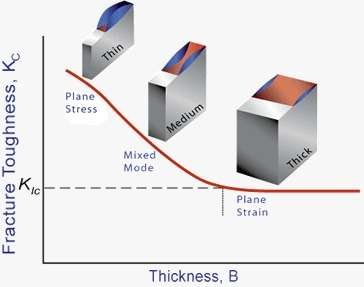
K1ctesting, or fracture toughness testing, measures a material's resistance to crack propagation. K1c, known as the "plane-strain fracture toughness," represents the critical stress intensity factor at which a crack in a material will start to grow uncontrollably. This value is particularly important for understanding a material's behavior in applications where cracking could lead to failure under load.
Often, it is as crucial to know how and why material fails as when. Crack propagation in 3D bodies will be proportional to the force applied and the size/shape of the flaws, but loading is complex, with a stress-strain matrix developing which depends on the distance in space between the applied loading and material flaws.
Why K1c Testing is Important
K1c is a key material property in safety-critical industries, including aerospace, automotive, and civil engineering, where the structural integrity of materials under stress is paramount. The K1c value allows engineers to determine a safe stress level or crack length at which a material can operate without failure.
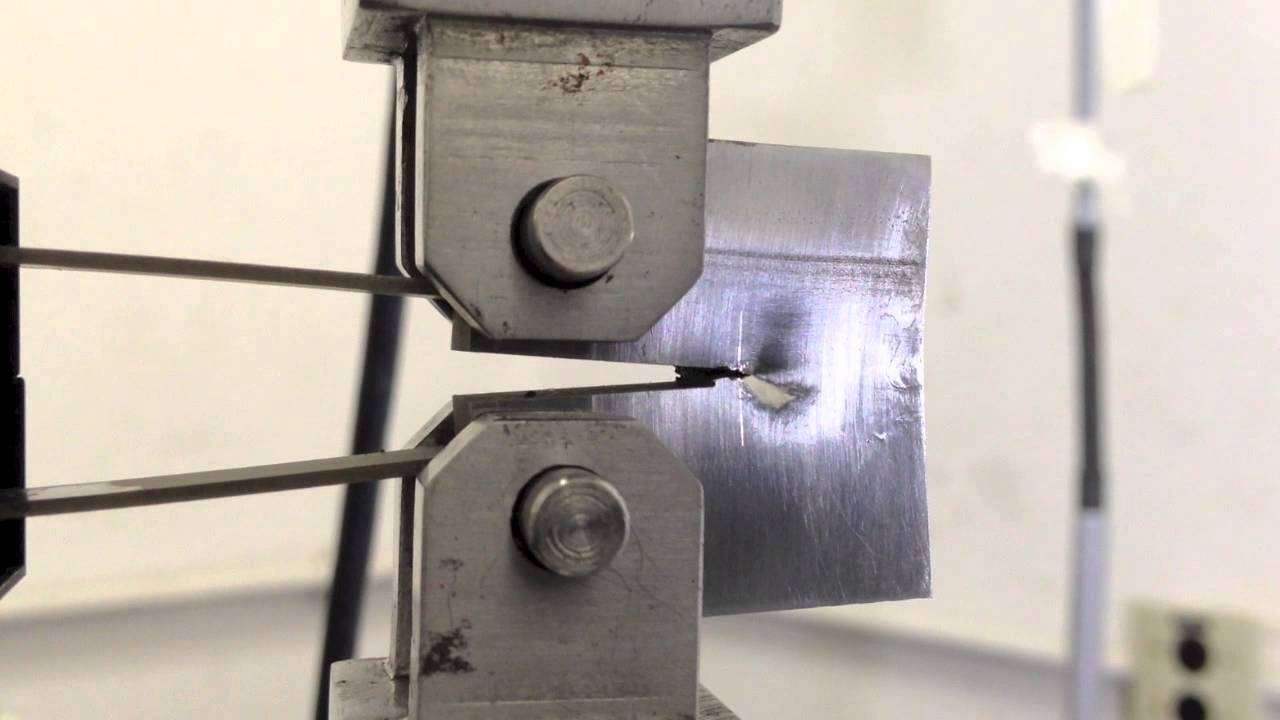
In this test, fracture toughness is the measure of how big a material is able to resist the extension of a developing crack by an increasing load. If a specimen possessing an existing crack is subjected to a rising tensile load during fracture toughness testing, there is sufficient energy in the deformation to reveal the material's resistance to further crack extension.
K1c testing typically follows standards such as ASTM E399. The test is performed by preparing a specimen with a notch or pre-crack, which ensures that any stress applied will act as it would on a real crack. The sample is then subjected to a controlled load, increasing until the crack propagates in a stable manner. This point marks the K1c.
Applications of K1c Testing
- Pressure Vessels and Pipelines: To prevent catastrophic failures under high pressures.
- Aircraft Structures: Ensuring materials can withstand high-stress conditions without fracture.
- Bridges and Buildings: For structural materials that must resist cracking under environmental and loading stresses.
Standards
ASTM E399 / KIC Test: Describes the fracture toughness test where a continuously increasing load is applied to the specimen, and critical stress intensity K1c is determined.

TTS Industrial Solutions Pvt Ltd, formerly known as Tweak Technik Solutions, was established in 2021. By 2022, we broadened our portfolio to include comprehensive lab services, and in 2024, we rebranded as TTS Industrial Solutions Pvt Ltd, an ISO 9001:2015 Certified Company.
CIN: U71200TS2024PTC184659
Get In Touch
Subscribe Now
Don't miss our future updates! Get Subscribed Today!